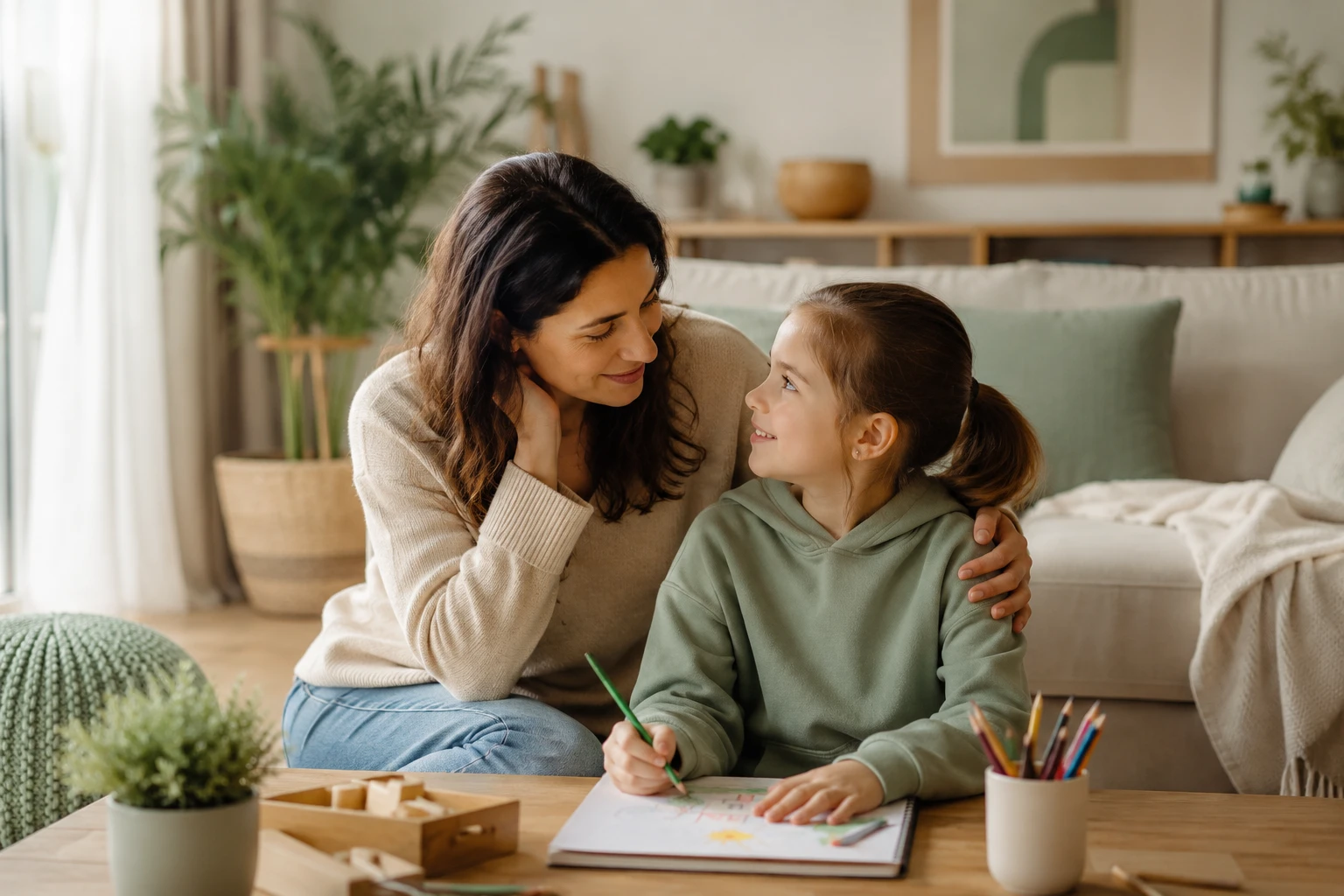
Parenting Styles for Happy Kids can shape the way your home feels every single day. It is not about becoming perfect. It is about noticing patterns. Children respond to tone, rhythm, limits, and warmth. Parents often repeat what they learned without realizing it. That can work sometimes. It can also create stress. A clearer approach helps families pause before reacting. Small changes can soften difficult moments. The supportive parenting approach gives parents a steadier way to respond. With better awareness, daily connection becomes easier.
Children learn from what parents do repeatedly. They notice rules. They notice reactions. They notice whether affection feels steady. A harsh style can create fear. A loose style can create confusion. A balanced style builds trust. That trust makes cooperation easier. Parents do not need scripted responses. They need flexible principles. A modern parenting strategy can make those principles feel practical. When children understand expectations, they feel safer. Better behavior often starts with clearer emotional signals.
Warm limits are both kind and firm. They tell children what matters. They also protect the parent-child bond. A child may still resist them. That resistance does not mean the limit failed. It means the child is learning. Calm repetition matters more than long lectures. Parents can name the rule. They can explain the reason. Then they can follow through. This creates predictability. A positive discipline method supports this balance. Children grow steadier when boundaries feel reliable.
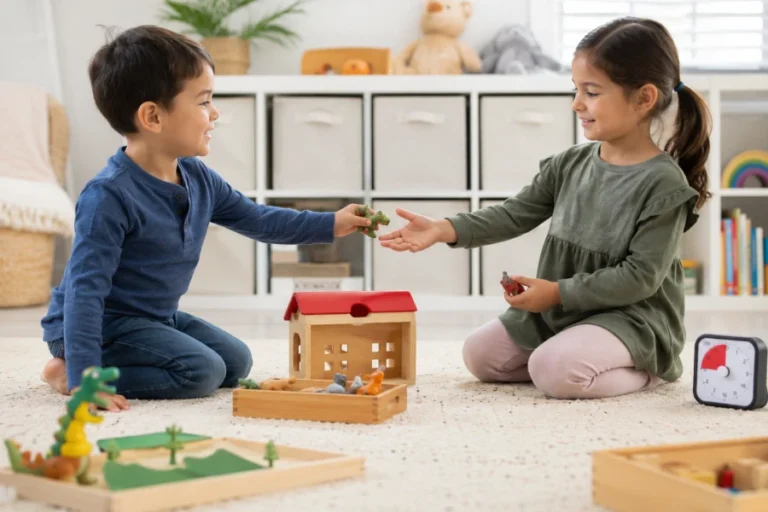
Many parents feel unsure during conflict. They wonder whether they are too strict. They worry they are too soft. That uncertainty can make reactions bigger. Parenting Styles for Happy Kids helps reduce that emotional guessing. It gives parents a lens. They can see the difference between control and leadership. They can offer empathy without giving up structure. This shift matters during tantrums, bedtime, meals, and sibling conflict. Children need adults who stay grounded. Parents need tools that feel usable. The result is less panic and more thoughtful response.
Every parent has reactive moments. That does not ruin a relationship. Repair often matters more than perfection. A parent can return after a difficult exchange. They can name what happened. They can apologize without surrendering the boundary. That teaches emotional responsibility. It also models resilience. Children learn that conflict can be repaired. Parents learn that one hard moment is not the whole story. Progress comes through repetition. Families become healthier when mistakes lead to reflection instead of shame.
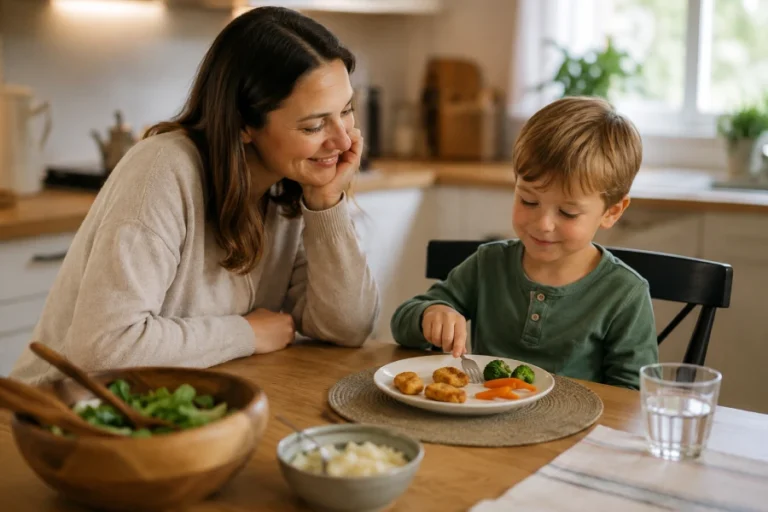
Stress tests every parenting style. Mornings run late. Children refuse shoes. Screens create tension. Meals become messy. Parenting Styles for Happy Kids works best when parents prepare before pressure rises. Simple routines help. Clear language helps. Fewer repeated warnings help. Parents can choose one response and practice it consistently. That consistency creates emotional relief. Children still push back sometimes. Yet they begin to recognize the rhythm. When the parent stays steady, the whole household often settles faster.
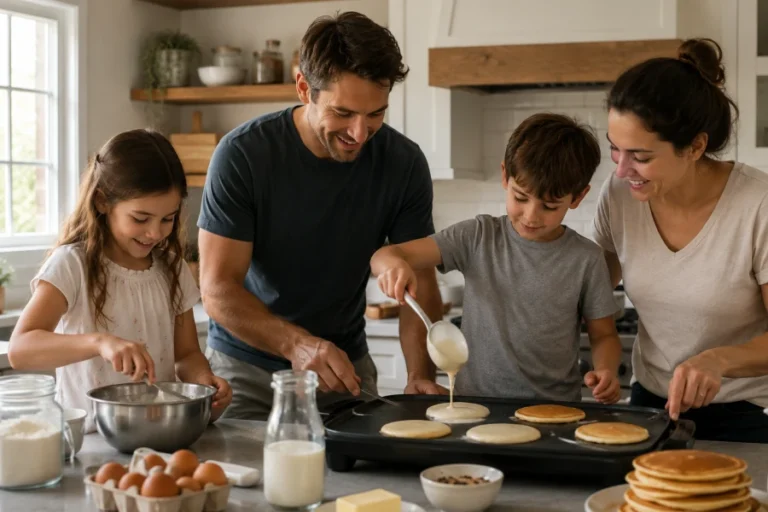
Confidence grows when children feel both loved and guided. Parenting Styles for Happy Kids supports that balance over time. It helps parents become less reactive. It helps children become more secure. The change may feel small at first. A calmer bedtime matters. A smoother transition matters. A shorter argument matters. These moments accumulate. They shape how children see themselves. They also shape how parents see their own role. Family life becomes less about winning power struggles. It becomes more about building trust that lasts.

Leave a comment