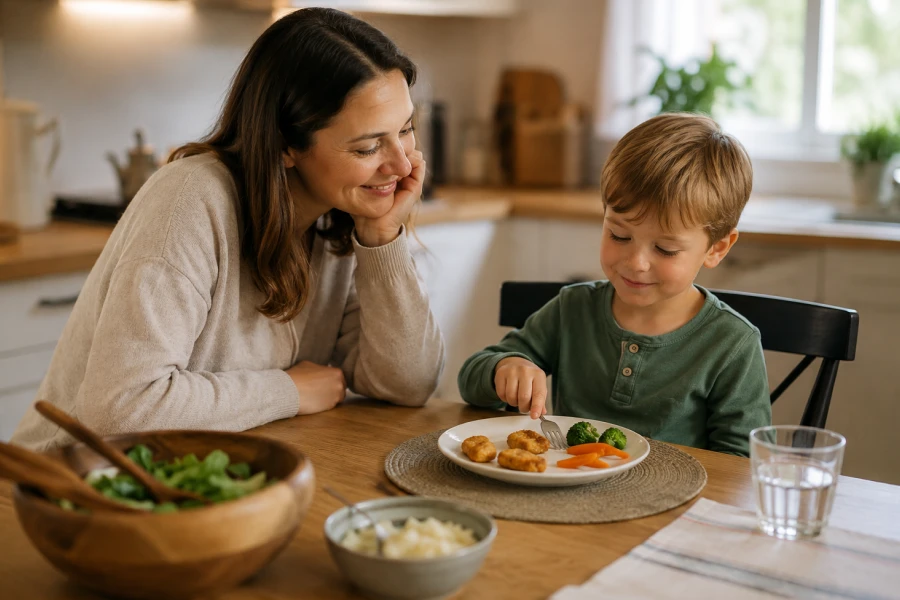
Reducing Processed Foods for Kids can feel difficult when busy families rely on convenience. Parents often want healthier meals, but they also need peace at the table. Children may resist changes quickly. They may miss familiar textures, flavors, and packaging. That resistance is normal. A steady approach works better than a dramatic overhaul. The family nutrition reset helps parents make changes without creating pressure. When healthier choices become familiar, children often become more open over time.
Sudden food changes can make children defensive. They may feel their favorites are disappearing. That feeling can trigger power struggles. Reducing Processed Foods for Kids works best through gradual swaps. Parents can change one snack. They can adjust one breakfast. They can add one fresh side. Small changes feel safer. They also allow children to adapt. Parents can keep the mood calm. Progress becomes easier when food does not become a battlefield. Consistency matters more than dramatic restriction.
Children often trust familiar foods. Parents can use that preference wisely. A favorite crunchy snack might shift toward a simpler ingredient option. A sweet breakfast can become less sugary over time. A lunchbox can include one new item beside a safe food. This reduces pressure. It also keeps meals predictable. A healthy food swap system supports that gentle method. Children may accept changes faster when everything else still feels recognizable.
Mealtime trust matters deeply. Children need to feel safe around food. Reducing Processed Foods for Kids should not rely on shame or fear. Parents can avoid labeling foods as bad. They can focus on how foods help the body. They can offer choices within boundaries. This keeps children involved. It also lowers resistance. A child may still choose the familiar option first. That is fine. Exposure takes time. Trust grows when parents stay steady, patient, and neutral during the process.
Snack choices become harder when everyone is hungry. Parents make faster decisions. Children become less flexible. Planning helps reduce that pressure. Simple options can stay visible. Fresh fruit can be washed early. Yogurt, cheese, vegetables, and whole-grain options can be easy to reach. Parents can create a snack shelf. Children like independence. They also like predictability. A prepared snack routine reduces last-minute processed choices. It does not need to be fancy. It needs to be easy enough to repeat.
Reducing Processed Foods for Kids is not only about individual meals. It is about habit formation. Children learn what appears often. They learn what feels normal. When fresh foods show up repeatedly, they become less unusual. Parents can serve small portions without pressure. They can invite tasting without demanding it. They can model enjoyment. Over time, the household pattern begins to shift. This creates a healthier default. Better habits grow from ordinary repetition, not from one perfect grocery trip.
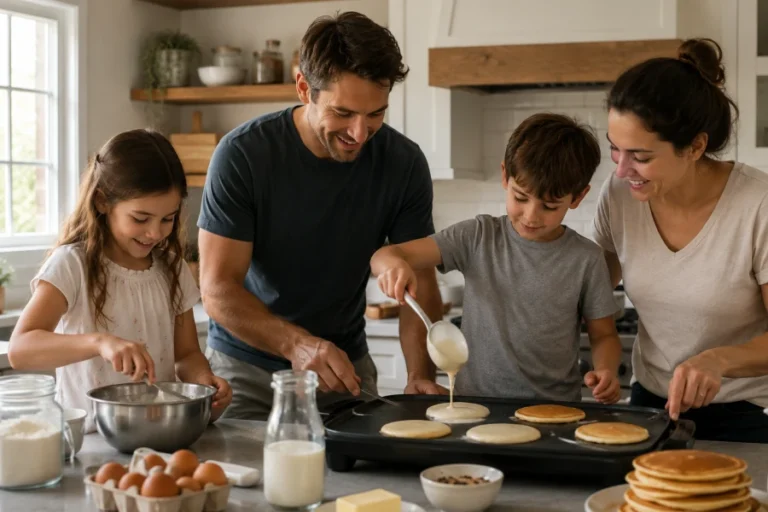
Reducing Processed Foods for Kids can feel more positive when the whole family participates. Children can choose produce. They can help wash ingredients. They can mix simple snacks. They can vote between two healthier options. Involvement builds ownership. Parents still guide the choices. Children still feel included. That balance matters. Food changes become less like rules imposed from above. They become part of family life. A shared project feels more encouraging than a silent restriction. That makes long-term progress more realistic.


Leave a comment