
Family Nutrition for Kids improves when healthy choices become part of normal household rhythm. Parents often feel pressure to overhaul everything at once. That pressure can backfire. Children need familiarity before they accept change. Parents need flexible systems before they can stay consistent. A family approach works better than isolated rules. The kid-friendly nutrition system supports gradual improvements that fit real life. When the household pattern changes gently, children can adjust without feeling forced.
The home environment shapes daily food choices. Children usually eat what appears often. Family Nutrition for Kids starts with what parents make accessible. A bowl of fruit matters. A simple snack shelf matters. Ready vegetables matter. Easy proteins matter. These choices reduce reliance on ultra-convenient processed foods. Parents do not need a perfect kitchen. They need better defaults. Children still enjoy treats sometimes. Balance remains important. However, the most visible foods often become the most requested foods. That makes the environment powerful.
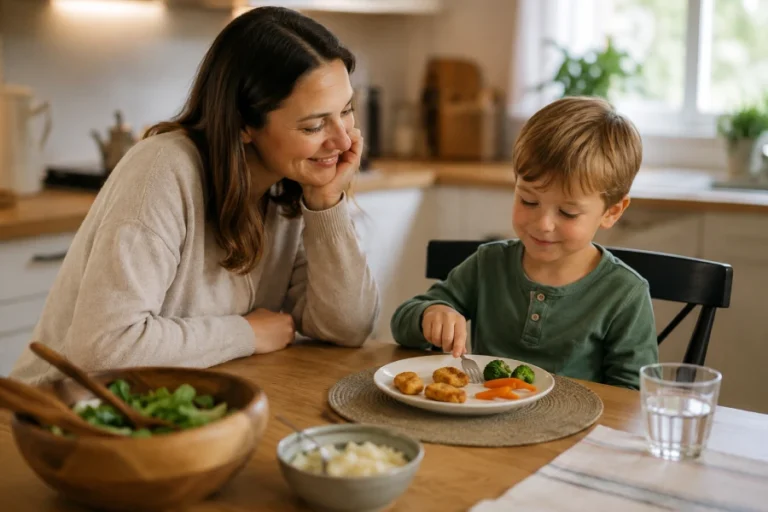
Shared meals can support better habits. They also create connection. The meal does not need to be elaborate. It needs to feel calm enough for conversation. Parents can serve simple family-style options. Children can choose from what is offered. A cleaner family meals plan can help reduce decision fatigue. When meals feel less pressured, children often explore more. They may not try everything. That is acceptable. The shared rhythm still teaches valuable habits.
Food confidence grows when children feel included. Family Nutrition for Kids should give children appropriate participation. They can rinse produce. They can stir ingredients. They can choose between two vegetables. They can help pack a snack. These small roles build ownership. Children often become more curious about foods they helped prepare. Parents still set the structure. Children get limited choices inside it. This balance prevents chaos. It also increases cooperation. Confidence grows through involvement, not lectures. Participation turns nutrition into a family skill.
Changing every routine at once can feel overwhelming. One routine is easier. Parents might start with breakfast. They might update after-school snacks. They might improve lunchbox options. Each change creates momentum. Children adapt better when the rest of life feels stable. Parents can keep one favorite item while improving another. This prevents a sense of loss. Gradual change is still real change. It often lasts longer because families can maintain it. A steady pace protects both nutrition and peace.
Family Nutrition for Kids can influence energy, focus, and mood. Children need steady fuel for active days. Meals with protein, fiber, and colorful foods can support that steadiness. Parents may notice fewer dramatic hunger crashes. They may notice better afternoon patience. Results will vary by child. Still, balanced routines make daily life easier. Food is not the only factor. Sleep, movement, and emotions matter too. Nutrition works alongside those pieces. When meals become steadier, the whole family rhythm can feel smoother.
Family Nutrition for Kids must be sustainable to matter. Parents need options for tired days. They need simple grocery patterns. They need meals children will actually recognize. A sustainable approach includes repetition. It allows shortcuts. It keeps treats neutral. It avoids all-or-nothing thinking. This mindset helps families recover after busy weeks. One processed meal does not erase progress. One rejected vegetable does not mean failure. Long-term change comes from returning to the pattern. That return is where real family nutrition grows.


Leave a comment