Prepare Kids for Kindergarten can sound like a stressful command, especially when the calendar moves quickly. Parents may worry about letters, numbers, behavior, lunch, naps, and separation. That list can feel heavy. The transition becomes easier when families focus on practical readiness. Children need confidence more than perfection. They need practice with everyday school moments. Parents need a clear path. The kindergarten transition plan helps turn worry into manageable steps. Calm preparation makes the school year feel more welcoming.
Letters and numbers are helpful. They are not the whole picture. Children also need social, emotional, and practical readiness. Prepare Kids for Kindergarten includes listening, waiting, asking, trying, and recovering. These skills matter every day in a classroom. A child who can ask for help feels safer. A child who can follow two-step directions feels more capable. Parents can practice these skills naturally. Everyday routines create learning opportunities. School readiness grows through repeated moments. Academic confidence becomes stronger when emotional readiness supports it.
Parents do not need a formal classroom at home. Normal routines offer plenty of practice. Breakfast can teach sequence. Cleanup can teach responsibility. Story time can build attention. Getting dressed can build independence. A walk can teach observation. Grocery trips can teach patience. These small activities prepare children gently. A preschool to school routine can connect them into a predictable rhythm. Children learn best when practice feels familiar. Consistency matters more than complicated lessons.
Separation can be one of the hardest parts. Some children walk in happily. Others cling, cry, or freeze. Prepare Kids for Kindergarten should include goodbye practice. Parents can create a short farewell ritual. They can keep their tone confident. They can avoid long negotiations. Children often borrow the parent’s emotional signal. A calm goodbye says school is safe. This does not mean feelings disappear immediately. It means the child has a pattern to trust. Over time, that pattern becomes easier.
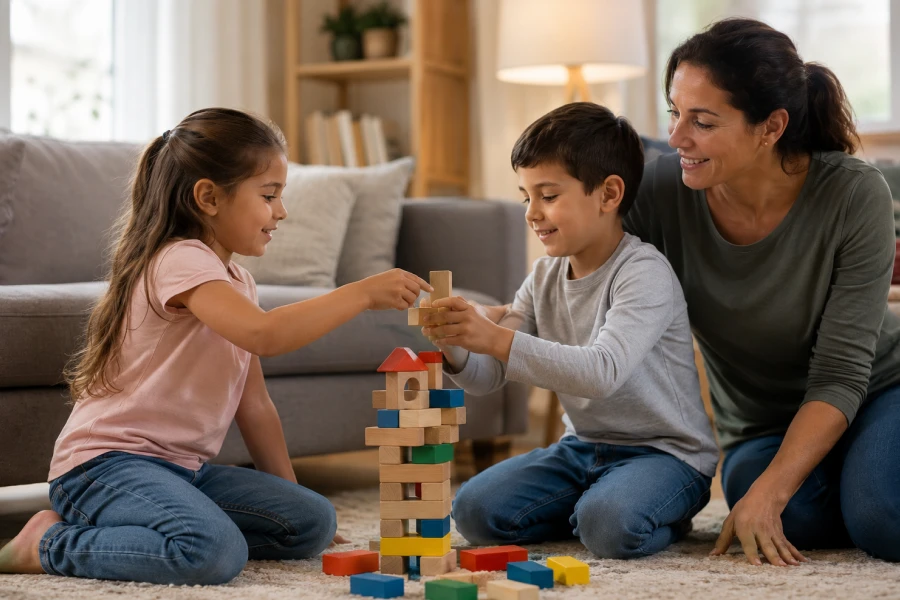
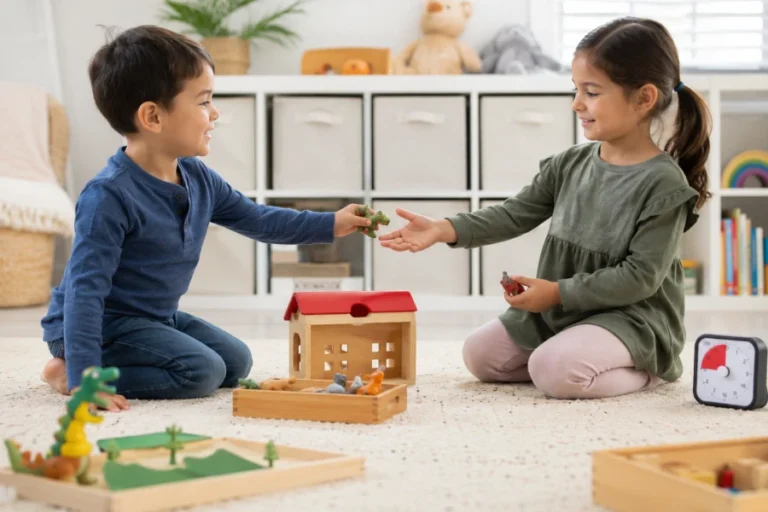
Classrooms ask children to do many small things. They sit for short periods. They line up. They take turns. They follow group directions. They manage supplies. These expectations can feel new. Parents can introduce them playfully. A child can practice raising a hand during pretend school. They can practice waiting while another person talks. They can practice cleaning up before the next activity. These playful rehearsals build confidence. When children recognize classroom patterns, school feels less unfamiliar.
Prepare Kids for Kindergarten also helps parents feel calmer. Many parents worry they have missed something. A structured approach reduces that fear. It shows what matters most. It also prevents overpreparing in one area while ignoring another. Parents can see progress in small steps. They can celebrate independence. They can notice emotional growth. Anxiety often decreases when action becomes clear. Parents do not need to rush every skill. They need steady preparation that fits their child’s pace.
Prepare Kids for Kindergarten should feel encouraging, not pressured. Children can sense when adults are anxious. A softer approach works better. Parents can frame school as a place to learn, play, and grow. They can answer questions honestly. They can avoid making promises about everything being easy. Instead, they can say the child will learn with support. That message feels stronger. It respects the child’s feelings. It also builds courage. A calm, prepared child can enter kindergarten with real confidence.

Leave a comment