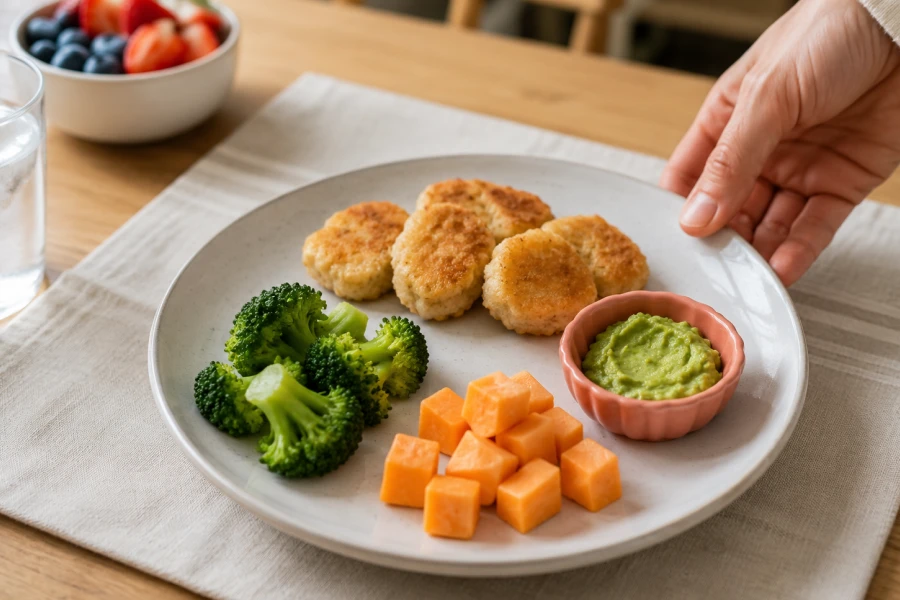
Healthy Eating for Children becomes easier when families stop chasing perfect meals and start building repeatable patterns. Children need exposure, rhythm, and patience. Parents need strategies that work on busy weekdays. A beautiful dinner matters less if it cannot be repeated. Small habits create stronger results. Breakfast routines, lunchbox choices, snack shelves, and family dinners all shape preferences. The children’s healthy eating plan helps families make those routines clearer. When good choices appear often, they become less stressful.
Children rarely love every healthy food immediately. Familiarity matters. Healthy Eating for Children depends on repeated exposure without pressure. A child may need to see a food many times. They may touch it before tasting it. They may taste it before liking it. Parents can stay calm through this process. Pressure often slows progress. Neutral exposure works better. A small serving feels safer. A familiar side helps too. Over time, new foods become less surprising. That is a meaningful step forward.
Predictability helps children relax at the table. Meals can include one familiar food. They can include one learning food. They can include a simple protein, grain, fruit, or vegetable. Parents do not need elaborate menus. They need a steady structure. A balanced kids meal routine makes this easier. Children understand what to expect. Parents stop reinventing every meal. The table feels calmer when the pattern is clear.
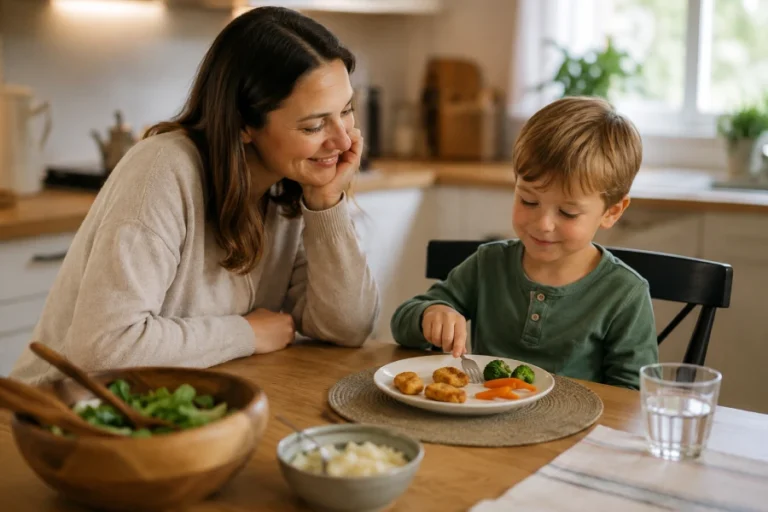
Food stress grows when every bite becomes a negotiation. Parents may plead, bribe, or pressure. Children may resist even more. Healthy Eating for Children works better when parents focus on what they control. They control what is offered. They control timing. They control tone. Children control whether and how much they eat. This division creates relief. It also protects trust. Parents can offer variety without turning meals into conflict. A calmer table supports better choices over time.
Children benefit from simple food education. They do not need fear-based messages. Parents can explain that some foods help energy last longer. Others are fun sometimes. This language keeps food neutral. It avoids shame. It also teaches balance. Children can learn that bodies need different kinds of fuel. They can notice how foods make them feel. Parents can model curiosity. They can talk about color, crunch, smell, and texture. This builds awareness. Healthy eating becomes less about rules and more about understanding.
Healthy Eating for Children must fit real schedules. Families need fast options. They need backups. They need flexible meals. A healthy routine should survive tired evenings. Parents can batch simple ingredients. They can keep quick proteins ready. They can use frozen vegetables. They can repeat meals without guilt. Repetition is not failure. It is a practical system. Children often like familiar meals anyway. When healthy options are easy to serve, families use them more often. Convenience can support wellness when planned well.
Healthy Eating for Children should feel encouraging. Children respond better to invitation than pressure. Parents can make meals colorful. They can let children choose between two options. They can involve kids in simple preparation. Small choices build cooperation. A child who helps assemble a snack may be more willing to try it. Positive experiences matter. They create emotional associations with food. Over time, those associations shape preferences. The goal is not a perfect eater. The goal is a confident, curious child.

Leave a comment