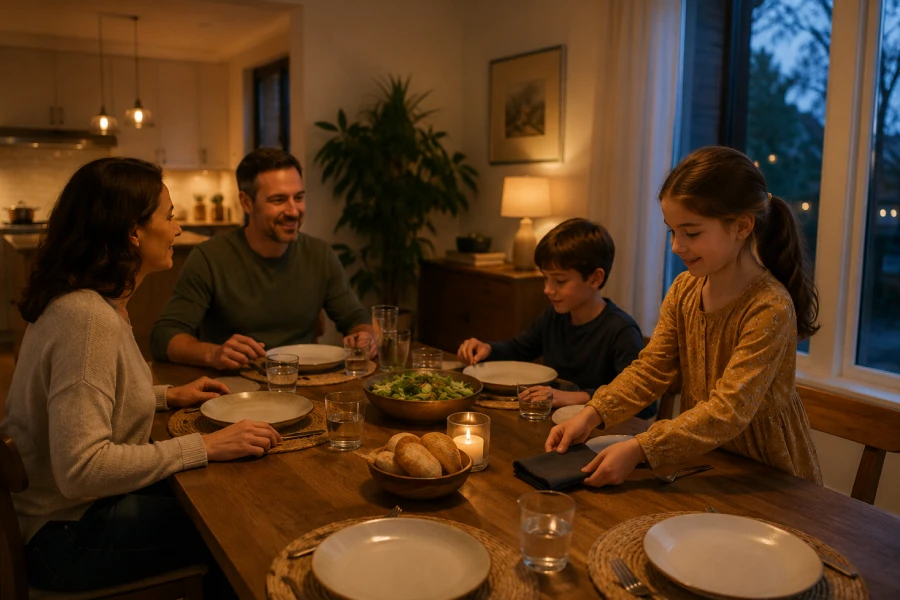
Processed Food Alternatives for Kids need to work beyond ideal meal-planning moments. Families are busy. Children are particular. Budgets matter. Time matters. Taste matters too. A healthier option only helps when families can actually repeat it. Parents do not need perfect homemade versions of everything. They need practical swaps. They need options that feel familiar enough for children to try. The processed food reduction plan helps make those swaps feel realistic. Small improvements can still change the family pattern.
Convenience drives many family food choices. Parents reach for what is fast. Children ask for what they know. Processed Food Alternatives for Kids must respect that reality. If a swap takes too long, it will disappear. Easy options work better. Pre-washed produce helps. Simple proteins help. Whole-grain snack choices help. Prepared ingredients can still support better meals. Parents can build a few reliable shortcuts. These shortcuts reduce stress. They also make healthier choices more available during busy moments.
Texture matters to children. Crunchy, creamy, chewy, and smooth foods all feel different. Parents can use texture as a bridge. A crunchy snack can become a less processed crunchy snack. A creamy favorite can shift toward yogurt or blended fruit. A sweet option can become naturally sweeter over time. The fresh food family strategy works better when changes feel recognizable. Children often resist less when the eating experience still feels familiar.
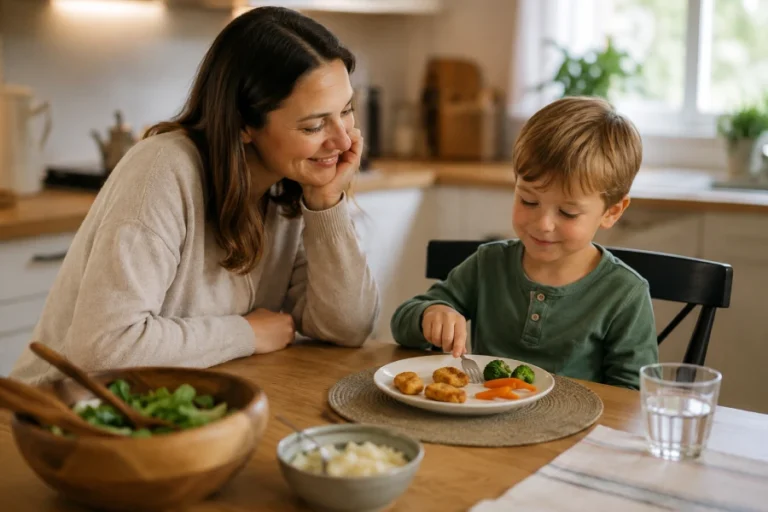
Food battles often begin when changes feel sudden. Children may worry their favorites are gone forever. Processed Food Alternatives for Kids can reduce that fear when parents introduce swaps gradually. A familiar item can remain on the plate. A new option can sit beside it. Parents can avoid pressure. They can invite curiosity. They can let exposure do some of the work. This builds trust. Children learn that healthier choices do not mean losing every favorite food. That emotional safety matters.
A snack shelf makes better choices easier. Children like independence. Parents like fewer last-minute decisions. The shelf can include simple approved options. It might hold fruit, whole-grain crackers, nut-free spreads, yogurt, or vegetable packs. The exact choices depend on the family. Clear boundaries help. Children know what they can choose. Parents know the options are reasonable. This reduces arguments. It also builds decision-making skills. A well-planned snack shelf turns nutrition into a daily routine children can understand.
Processed Food Alternatives for Kids can work especially well in lunchboxes. Lunch needs to be reliable. Children need foods they will eat at school. Parents can improve one section at a time. A drink can change first. Then a snack can change. Then a main item can shift. This gradual method protects appetite and confidence. Familiar packaging can sometimes help. So can small portions. School lunch is not the place for dramatic surprises. It works best when healthier choices still feel safe.
Processed Food Alternatives for Kids last when families stay flexible. Some weeks will be organized. Other weeks will be messy. That is normal. Parents can keep a short list of reliable swaps. They can repeat them often. They can adjust when children reject something. They can avoid turning every choice into a moral lesson. This keeps food emotionally neutral. Long-term success comes from repeatable habits. It also comes from patience. When swaps feel practical, families keep using them. That is where real change happens.

Leave a comment