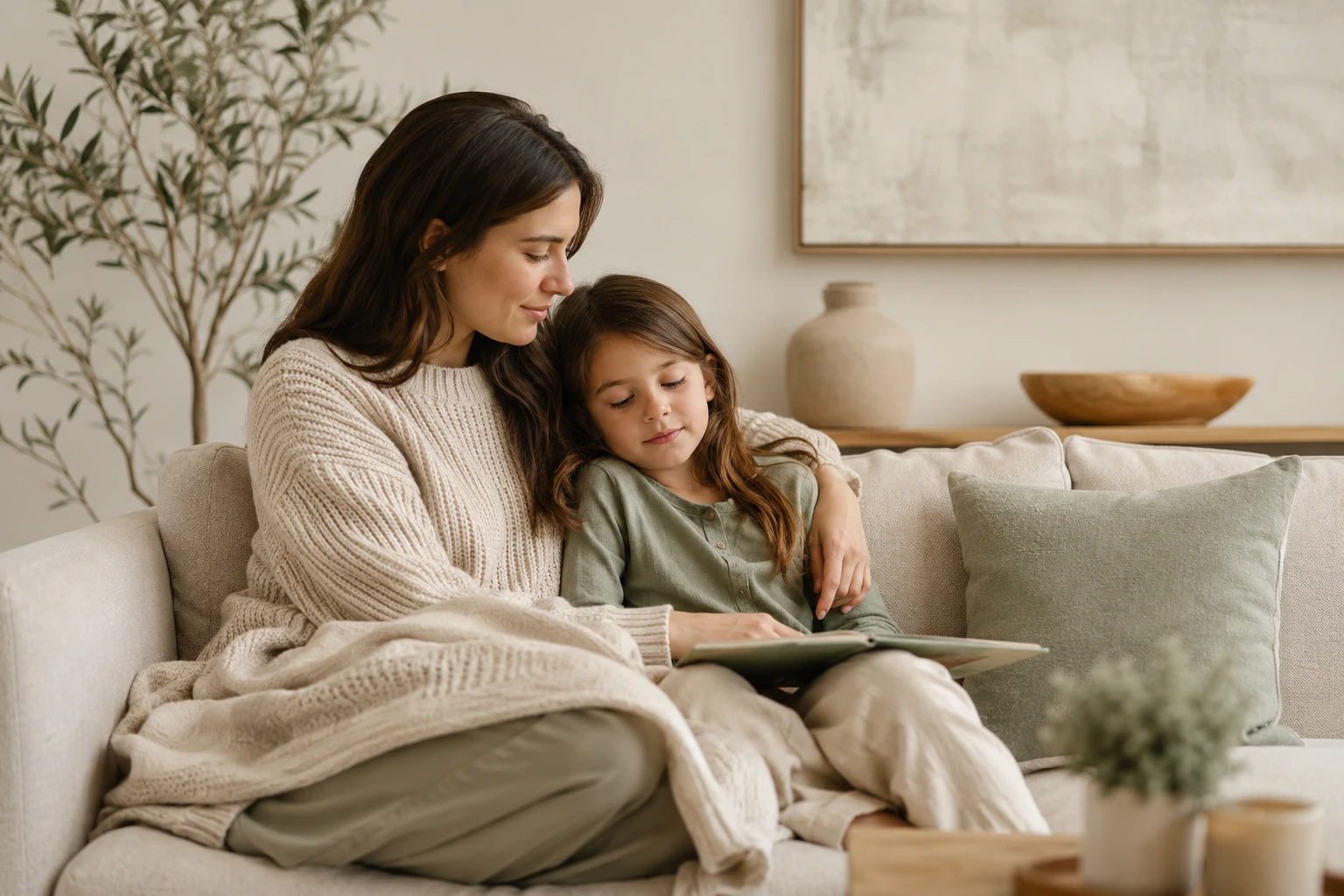
Modern Parenting Styles matter because today’s families face constant pressure from every direction. Parents manage work, school, screens, emotions, schedules, and expectations. Children feel that pace too. They may not explain it clearly. Instead, they show stress through behavior. Parents need approaches that fit real life. They need warmth without chaos. They need structure without harshness. The parenting styles explained simply approach helps make those choices clearer. When adults understand their patterns, connection can grow inside ordinary routines.
Parents often focus first on child behavior. That makes sense. Behavior is visible. Yet adult patterns matter deeply. A parent may avoid conflict. Another may overcorrect quickly. Someone else may explain too much. These habits shape the child’s response. Modern Parenting Styles invite parents to notice their default mode. This awareness is not blame. It is information. Once parents see the pattern, they can choose differently. Better choices create calmer exchanges. Children respond to that emotional leadership over time.
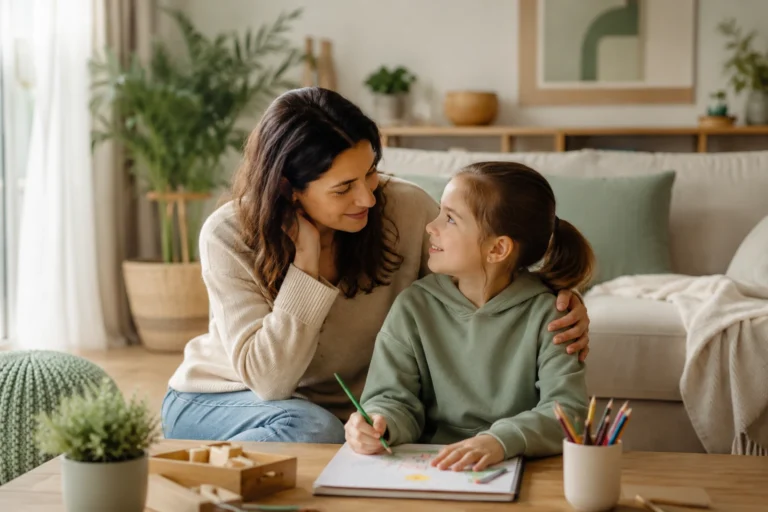
Structure gives children a map. Warmth tells them they are safe. Families need both. Too much structure without warmth can feel rigid. Too much warmth without structure can feel confusing. The strongest approach blends expectations with connection. Parents can state the rule clearly. They can keep their voice steady. They can also show empathy. A happy kids parenting plan supports that middle path. Children cooperate more often when adults lead with calm certainty.
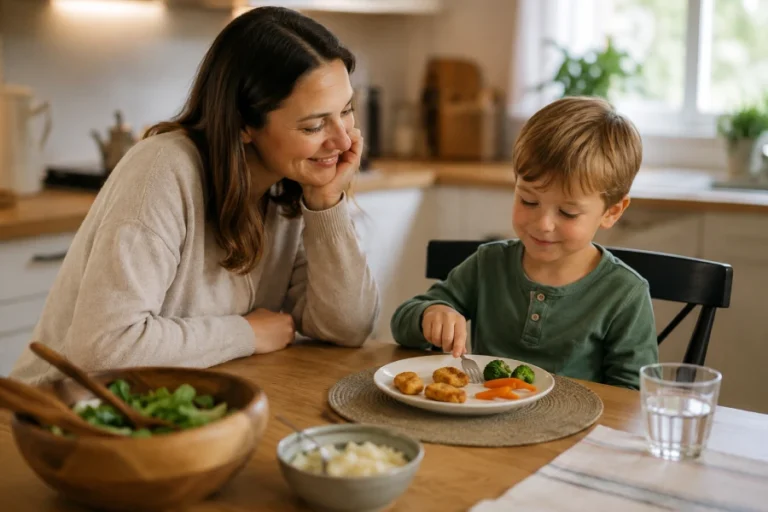
Big feelings are not bad behavior by themselves. They are signals. Children may feel tired, hungry, ignored, rushed, or overwhelmed. Modern Parenting Styles help parents separate emotion from action. A child can feel angry. The child still cannot hit. A child can feel disappointed. The child still cannot scream forever. Parents can validate feelings while holding limits. This approach feels respectful. It also feels practical. Over time, children learn emotional language. They learn that feelings are manageable, not dangerous.
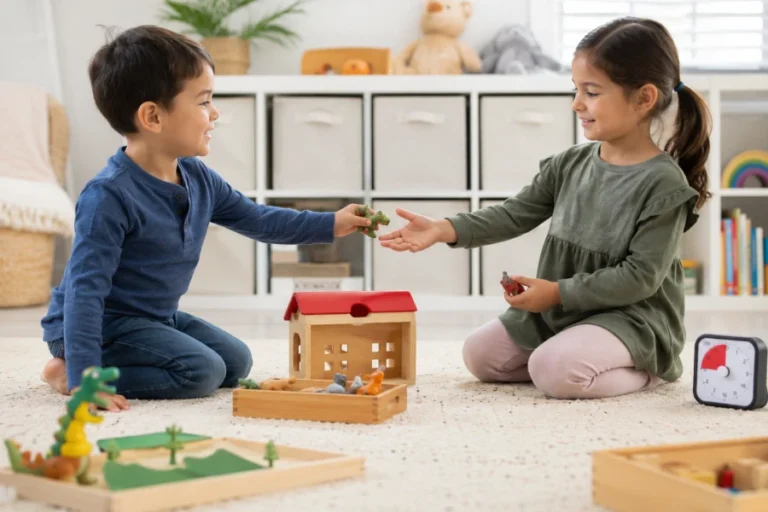
Transitions often create the most friction. Leaving the park feels hard. Turning off screens feels hard. Starting homework feels hard. Children need help moving from one state to another. Warnings can help when they are brief. Visual cues can help too. A predictable order reduces arguments. Parents can prepare children before the shift. They can also avoid negotiating every step. This protects everyone’s energy. A simple transition routine can change the mood of an entire evening.
Modern Parenting Styles are not only for children. They also support parents. A clear framework reduces second-guessing. Parents stop asking whether every reaction was wrong. They begin evaluating patterns instead. That feels more manageable. It also creates room for repair. Parents can recover after difficult moments. They can adjust without starting over completely. This builds confidence. Parenting becomes less about instant answers. It becomes more about steady direction. Families benefit when adults feel grounded in their choices.
Growth does not require a dramatic household reset. Modern Parenting Styles work through small, repeated changes. A parent pauses before shouting. A bedtime routine becomes clearer. A child hears fewer threats. A rule becomes easier to understand. These improvements may seem modest. They are not. They create emotional memory. Children begin trusting that adults can handle hard moments. Parents begin trusting themselves too. That shared trust changes the family atmosphere. Connection becomes part of the daily structure, not an occasional reward.

Leave a comment