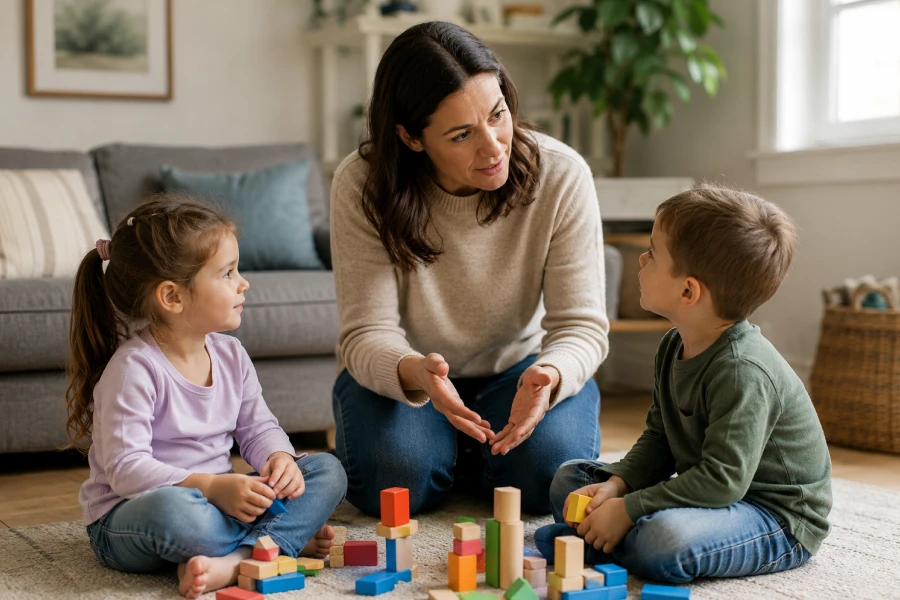
Preschool to Kindergarten Transition can feel bigger than parents expect. The child may seem ready one day and unsure the next. That is normal. New classrooms bring new routines, people, sounds, rules, and expectations. Parents can support the shift by preparing gradually. They can focus on confidence, independence, and emotional safety. The early school readiness resource helps families make the change feel less abrupt. When children recognize parts of the routine, courage grows naturally.
Repetition helps children feel secure. They learn through patterns. Preschool to Kindergarten Transition becomes easier when families repeat school-related routines before the first day. A child can practice morning steps. They can practice packing a bag. They can practice sitting for a short story. These experiences build familiarity. Familiarity reduces fear. Parents do not need to make every practice session serious. Playful repetition works beautifully. Children gain confidence when new expectations feel somewhat known. That quiet confidence matters when school begins.
Children may not know how to explain school nerves. They might complain about clothes. They might resist bedtime. They might ask repeated questions. Parents can listen for the feeling underneath. Naming emotions helps children understand themselves. A parent might say school can feel exciting and strange. That sentence gives permission. It also creates connection. A kindergarten confidence builder can support those conversations. When feelings have words, they become easier to handle.
Preschool to Kindergarten Transition often changes the whole family rhythm. Mornings may begin earlier. Lunches may need planning. Bedtime may matter more. Children may need quiet time after school. Parents may need more patience during the adjustment period. These changes can feel intense at first. A gradual shift helps everyone. Families can test new routines before school starts. They can simplify choices. They can prepare bags at night. Small systems reduce morning stress. A smoother home rhythm supports a smoother school adjustment.
Practical skills give children a sense of control. They can learn to open containers. They can wash hands independently. They can zip a jacket. They can recognize their belongings. They can ask to use the bathroom. These skills reduce classroom frustration. Parents can practice them without pressure. Small daily moments work best. A child feels proud when they can manage something alone. That pride carries into school. Independence does not mean a child needs no help. It means help feels less scary.
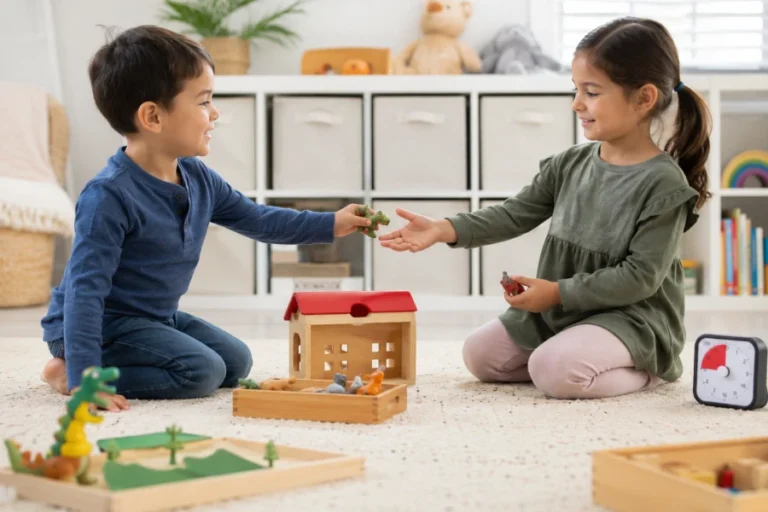
Preschool to Kindergarten Transition includes a social shift. Children meet new adults. They join larger groups. They share materials. They wait for turns. They solve small conflicts. Parents can support these skills through everyday play. They can coach simple phrases. They can model friendly greetings. They can practice losing a game gracefully. Social readiness builds slowly. It does not require a child to be extremely outgoing. It requires enough confidence to participate. That confidence helps children feel included in the classroom.
Preschool to Kindergarten Transition can become a meaningful growth moment. Parents can honor what the child is leaving behind. They can also celebrate what comes next. This balance matters. Children need permission to miss preschool. They also need encouragement to enjoy kindergarten. Parents can create a simple ritual. They can take a photo. They can talk about new skills. These moments mark progress. The transition becomes less like a sudden leap. It becomes a supported step into a bigger world.

Leave a comment